
"Madagascar specialty coffee"
200 article(s) found

Types and flavors of coffee beans A brief introduction to the taste characteristics of Arabica coffee beans
Professional coffee knowledge exchange more coffee bean information please follow the coffee workshop (Wechat official account cafe_style) front street-coffee bean species, Arabica coffee sharing coffee beans broadly speaking, there are three kinds of coffee beans in the world, but the most common around them are Arabica beans and Robusta beans. Arabica species (Arabica) Robostadou (Robusta) Liberia

The flavor and taste of Colombian coffee introduces the characteristics of Colombian coffee beans
Colombian coffee is the first to be produced by Medellin in terms of yield and texture, which is characterized by full grains, rich nutrition, moderate acidity, good balance, rich aroma and soft taste. In addition to Medellin, the provincial capitals of the two neighboring provinces in the south, Armenia and Manizales, are also authors.

Famous for its color-Huang bourbon's fascinating historical development and new bright spots
For more information on coffee beans, please follow the coffee workshop (official Wechat account cafe_style) Yellow bourbon is famous for its yellow fruit when it is ripe, which is obviously different from the cherry red of other coffee varieties. Yellow bourbon has become a treasure of Brazilian coffee. In recent years, Huang bourbon has been widely recognized by coffee buyers and roasters, in part because of its unique

Boutique coffee beans Colombian coffee Arabica coffee small fruit coffee has a unique flavor
Colombian coffee (Cafe de Colombia), which originated in Colombia, is one of the few individual coffees sold in the world under the name of the country. In terms of quality, it has won praise unmatched by other coffee. Compared with other producing countries, Colombia is more concerned with developing products and promoting production. It is this, coupled with its superior geographical and climatic conditions, that makes Goran
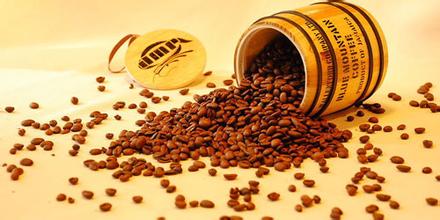
Flavor description of Columbia Linglong Coffee Bean introduction to Grinding scale treatment
The main varieties of Colombian coffee are small grains of coffee. Plants are small trees or large shrubs, 5-8 m tall, usually much branched at base; old branches gray-white, nodes dilated, young branches glabrous, compressed. Leaves thinly leathery, ovate-lanceolate or lanceolate, 6-14 cm long and 3.5-5 cm wide, tip long acuminate, acuminate part 10-15 mm long, base cuneate or slightly obtuse, rarely rounded, entire or

Introduction to the taste characteristics of Colombian boutique coffee bean flavor manor area
Coffee workers go up the mountain to pick coffee beans (also known as coffee cherries) by hand, so they can pick carefully and pick the most ripe and full fruits. The vast majority of Colombian coffee beans are water-washed and moderately roasted with a light, silky and sometimes sour taste, which is not as strong as Brazilian coffee and Italian Expresso and is known as green.

The difference between commercial coffee and selected coffee is distinguished by variety, treatment, freshness and name.
Coffee is already a common drink, but the number of people who really understand it is still very limited. Most people think that coffee is just a refreshing drink, but in fact, coffee can be initially divided into two categories: (1) commercial coffee Commercial Coffee-mostly drinks that contain caffeine and generally belong to low prices. (2) selected coffee Specialty Coffee-Wind

Arabica Coffee Fine Coffee beans Grinding degree, Flavor, Flavor, Flavor description
Arabica (Arabica) and? Robusta is two different coffee varieties, which currently account for the vast majority of coffee bean production in the world. Arabica seed? Coffee and? Robusta? There are three main differences in coffee: 1. Differences in planting conditions. 2. The flavor and characteristics are different. 3. The difference between market price and use. Planting condition difference Arabica? Coffee

Is Arabica coffee stronger? How to distinguish Robusta Arabica Libya coffee
Professional coffee knowledge exchange More coffee bean information Please pay attention to coffee workshop (Weixin Official Accounts cafe_style) Mantenin's Robusta lineage, Arabica beans or Katim or Katim? [I'm sure you've all seen chain coffee shops emphasize that they use "100% Arabica coffee beans," but why do they emphasize this coffee variety so much?] of Arabica

Buenos Aires Manor | washing Pacamara [elephant bean] growing environment? Measure the washing image of the cup
Professional coffee knowledge exchange more coffee bean information please follow the coffee workshop (Wechat official account cafe_style) Buenos Aires Manor | washing Pacamara [elephant bean] growing environment? What is the flavor of washed elephant beans in a cup? Nicaragua is one of the major coffee-producing countries, producing high-quality coffee. Nicaragua is mainly divided into four major coffee producing areas, New Sagovia.

Coffee producing area distribution map introduction to the description of the environment and flavor of the planting areas in the five major producing countries
Coffee producing area distribution map description of the environment and flavor of the five major producing countries introduces the unique and mild taste of coffee. El Salvador is one of the small countries in Central America with a dense population. The flavor of its coffee is characterized by excellent balance. Today, this coffee accounts for 40% of the country's exports. 35% of the extra hard beans come out after the best quality coffee comes out from January to March.
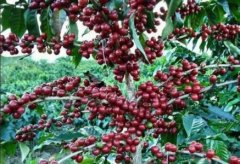
History, cultivation, characteristics and varieties of Arabica
Arabica is deeply loved by Chinese people with a short history of coffee contact because of its strong fruity aroma. it was introduced to China by missionaries in the 19th century and was widely planted in Panzhihua, Sichuan, and the dry-hot valley of the Jinsha River in western Yunnan, where the sunshine was long and there was a big temperature difference between day and night. The local people solved the problem of insufficient seasonal rainfall by diverting water up the mountain.

Colombia, one of the few single-origin coffees sold worldwide under its name?
Colombia Coffee (Cafe de Colombia) is produced in Colombia and is one of the few single-origin coffees sold in the world under its name. In terms of quality, it has earned accolades that no other coffee can match. Colombia is more concerned with product development and production promotion than other producing countries. It is this, coupled with its superior geographical and climatic conditions, that makes Columbus

High-balanced Colombian Hope Manor Fine Coffee Bean cultivation, Geographic location, Climate, altitude
The main varieties of Colombian coffee are Arabica coffee (coffea arabica), that is, small fruit coffee (small grain coffee). Relatively speaking, large fruit coffee (coffea robusta) is mostly grown in Africa of origin, such as the famous Madagascar coffee. There are several varieties of small fruit coffee. Brazilian coffee, which has the highest yield in the world, has large seeds, strong adaptability and high fruit yield.

What are the best coffee beans in the world?
Professional coffee knowledge exchange More coffee bean information Please pay attention to coffee workshop (Weixin Official Accounts cafe_style) varieties from South America Brazil is the world's number one coffee producer, accounting for about 30% of the world's total production. Sandos coffee is produced almost exclusively in southeastern Brazil and is considered the finest Brazilian coffee. Green beans from medium to large particles are available, but not with green, is neutral coffee

Description of flavor, taste and aroma characteristics of Arabica boutique coffee beans
Arabica? Coffee has a varied and broad potential flavor. Arabica coffee produced in different regions, different elevations and different climates usually has its own characteristics and can show a completely different flavor. ? Arabica? When coffee is not roasted, it smells like grass. After proper roasting, it shows. Fruity? (medium and shallow baking) vs.

Introduction to Colombian coffee with pure coffee flavor
The pure taste of Colombian coffee comes from Colombia's natural environment with the most favorable conditions for coffee growth. But beyond that, it is inseparable from the hard work of local growers. In Colombia, coffee cultivation has reached 1.07 million hectares, there are about 302000 coffee plantations in the country, and 30 to 40 per cent of the rural population depends directly on coffee production. Columby

Low-key and elegant, light Colombian coffee flavor, taste, characteristics and manor
Colombian coffee (Cafe de Colombia), which originated in Colombia, is one of the few individual coffees sold in the world under the name of the country. In terms of quality, it has won praise unmatched by other coffee. Compared with other producing countries, Colombia is more concerned with developing products and promoting production. It is this, coupled with its superior geographical and climatic conditions, that makes Columbus

Elegant, light and low-key Colombian coffee flavor, taste, characteristics and manor
Colombian coffee (Cafe de Colombia), which originated in Colombia, is one of the few individual coffees sold in the world under the name of the country. In terms of quality, it has won praise unmatched by other coffee. Compared with other producing countries, Colombia is more concerned with developing products and promoting production. It is this, coupled with its superior geographical and climatic conditions, that makes Columbus

Light, low-key and elegant Colombian coffee flavor, taste, characteristics and manor introduction
Colombian coffee (Cafe de Colombia), which originated in Colombia, is one of the few individual coffees sold in the world under the name of the country. In terms of quality, it has won praise unmatched by other coffee. Compared with other producing countries, Colombia is more concerned with developing products and promoting production. It is this, coupled with its superior geographical and climatic conditions, that makes Columbus